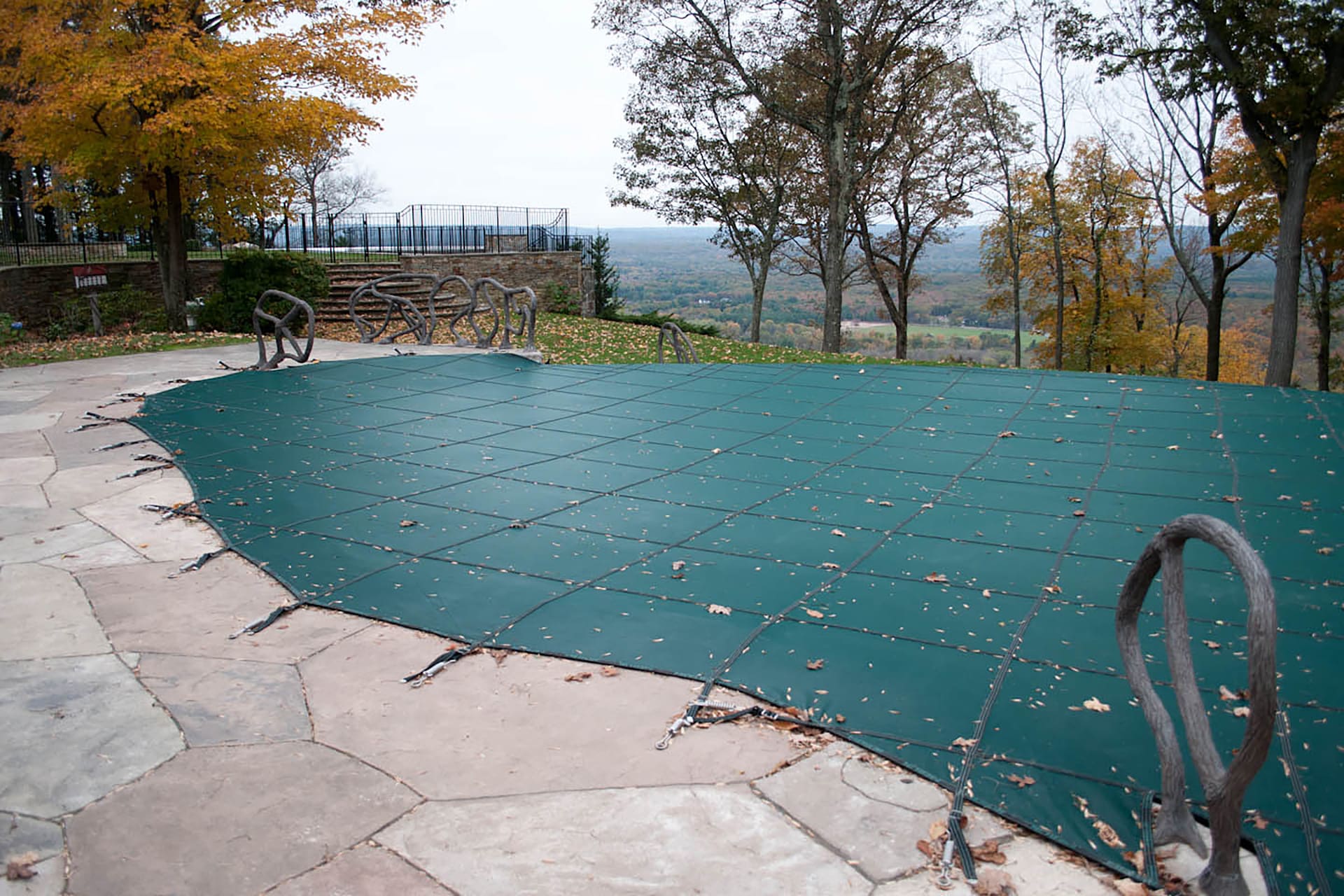
Pool Safety Cover

Spring Pool Opening: How to Properly Remove and Store Your Pool Cover

As winter fades and warmer temperatures return, it’s time to prepare your pool for another season of enjoyment. One of the first and most important steps in the spring pool opening process is properly removing and storing your pool cover. While it may seem like a simple task, handling your cover correctly helps extend its lifespan, prevents damage, and ensures your pool area stays clean and safe. With a little preparation and attention to detail, you can make the transition from winter protection to summer relaxation smooth and stress-free.

Clear Debris from the Surface

Before removing your pool cover, take time to clear away any leaves, twigs, standing water, or debris that accumulated over the winter months. Use a pool cover pump to remove excess water and a soft broom or leaf blower to gently push off loose debris. Skipping this step can cause dirt to fall into the pool when the cover is lifted, making the cleaning process more difficult. A clean surface ensures an easier and more efficient removal.

Use Proper Tools and Assistance

Pool covers can be heavy and awkward, especially if they are solid winter covers holding water. Enlist the help of another person to avoid straining your back or damaging the cover. Use appropriate tools such as cover pumps, soft brushes, and storage bags designed specifically for pool covers. Working carefully and with assistance minimizes the risk of tears or accidental drops into the pool.

Remove the Cover Carefully

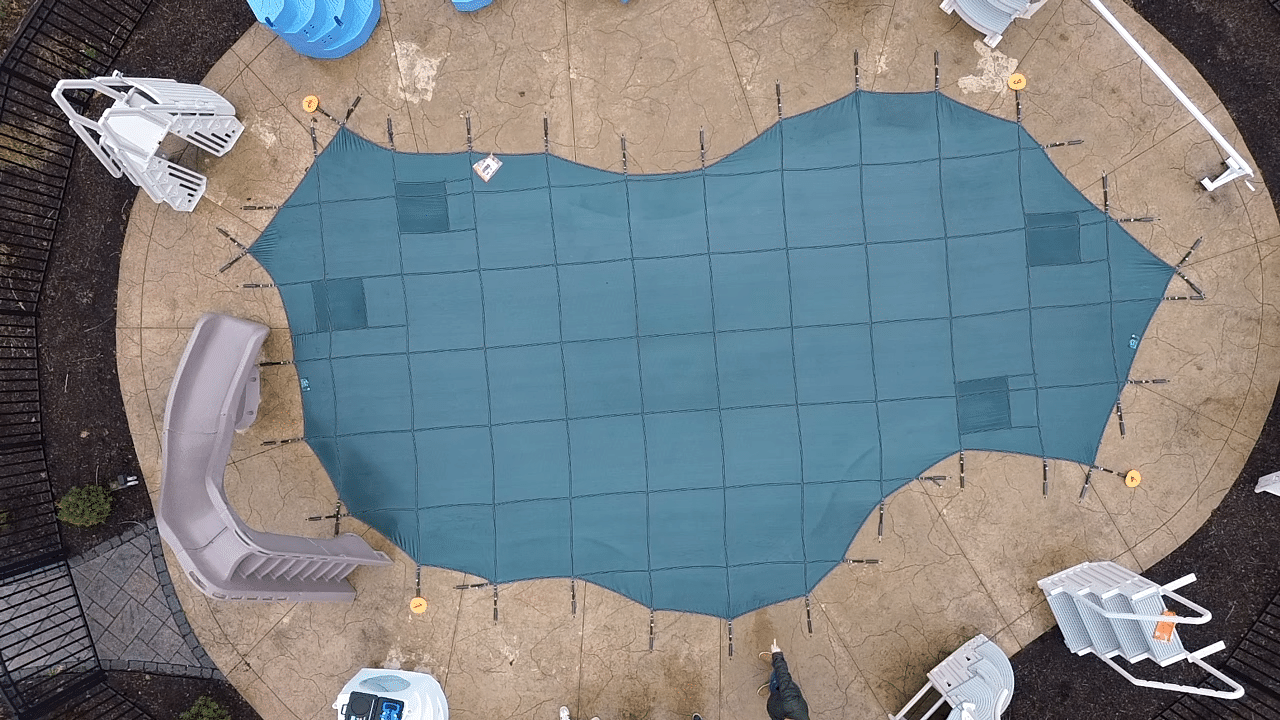
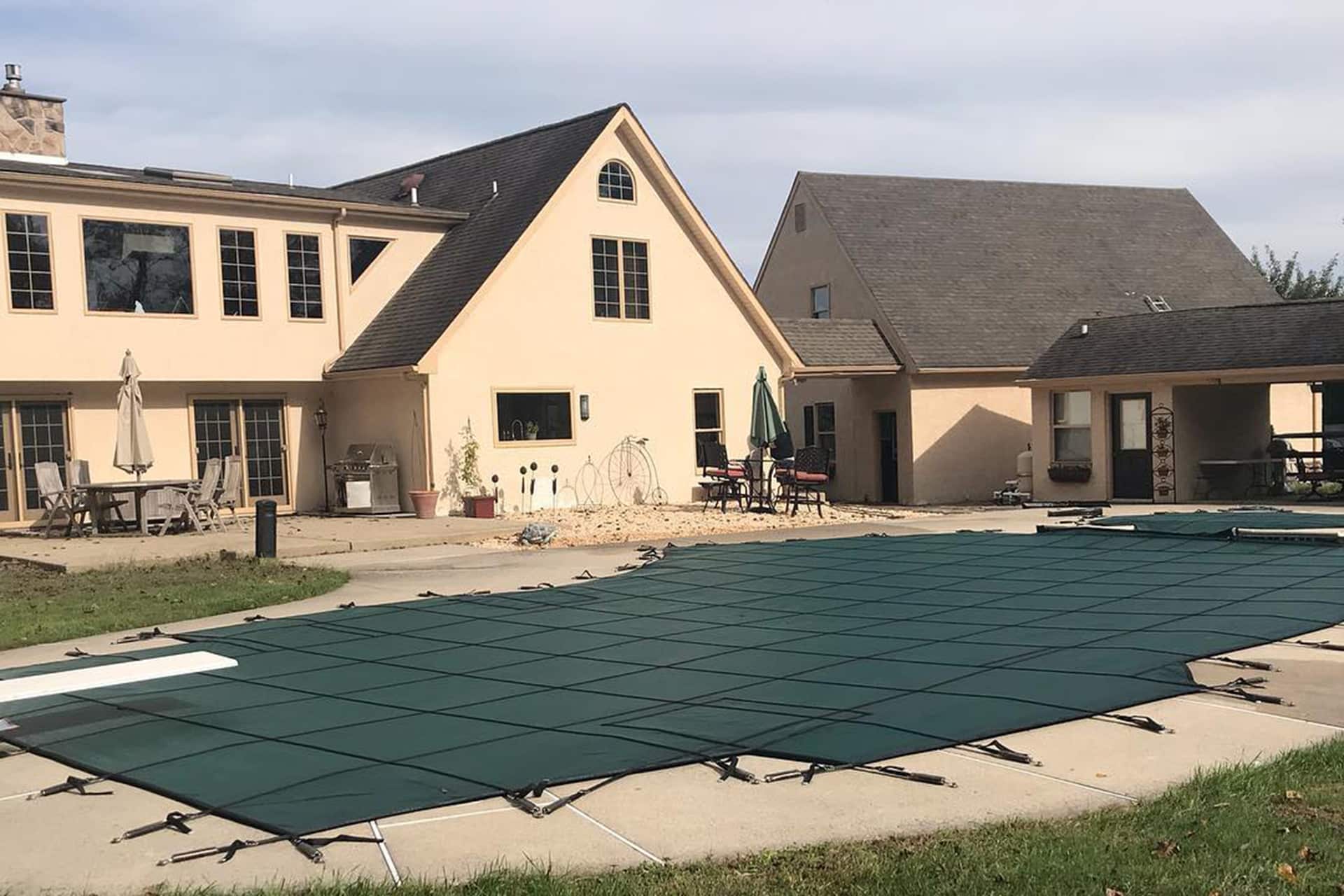
When you’re ready to remove the cover, start at one end and slowly fold or roll it toward the opposite side. Move gradually to prevent debris from spilling into the water. If you have a safety cover secured with anchors and springs, detach each spring carefully using the proper removal tool. Taking your time during this step reduces stress on the material and prevents unnecessary wear.

Rinse the Cover Thoroughly

Once the cover is off the pool, lay it flat on a clean surface such as a driveway or lawn. Use a garden hose to rinse away dirt, algae, and remaining debris. For stubborn grime, use a mild pool cover cleaner and a soft brush to scrub gently. Avoid harsh chemicals that could weaken the material. A thorough rinse prevents mold and mildew growth during storage.

Allow the Cover to Dry Completely

Drying your pool cover completely before storage is essential. Spread it out in a sunny, well-ventilated area and allow both sides to dry fully. Storing a damp cover can lead to mold, mildew, and unpleasant odors. Depending on the weather, this process may take several hours. Patience at this stage protects your investment and ensures the cover remains in good condition for the next season.

Inspect for Damage

Before folding and storing your pool cover, inspect it closely for signs of wear, such as small tears, frayed edges, or weakened seams. Identifying minor damage early allows you to make repairs before the next winter season. Many small rips can be patched using a pool cover repair kit. Addressing issues promptly prevents them from becoming larger, more expensive problems later.

Fold and Store Properly

After cleaning and drying, fold the cover neatly into manageable sections. Avoid dragging it across rough surfaces that could cause abrasions. Store the cover in a dedicated storage bag or airtight container to protect it from dust, insects, and rodents. Keeping it tightly sealed also helps maintain its shape and durability during the off-season.

Choose the Right Storage Location

Where you store your pool cover matters just as much as how you prepare it. Select a cool, dry location such as a garage, shed, or basement. Avoid areas exposed to extreme temperatures, moisture, or direct sunlight. Excess heat can degrade certain materials, while damp conditions can encourage mildew growth. Proper storage conditions extend the life of your pool cover significantly.

Organize Hardware and Accessories

If you use a safety cover with anchors, springs, or other hardware, keep all components organized and stored together. Clean metal parts and allow them to dry before placing them in a labeled container. This prevents corrosion and ensures everything is easy to locate when it’s time to close the pool again in the fall. Staying organized saves time and frustration later.

Prepare the Pool for the Season

With the cover safely stored, you can focus on opening your pool for spring. Skim any debris that may have entered during removal, check water levels, and inspect your filtration system. Testing and balancing the water chemistry early helps create a safe and inviting swimming environment. Removing and storing the cover properly sets the stage for a smooth and successful pool opening process.

Plan Ahead for Next Winter

Taking notes during the spring removal process can help you prepare for next winter’s closing. If you notice wear that may require replacement or upgrades, plan accordingly. Proper care in the spring makes closing your pool easier later in the year. Consistent maintenance not only protects your pool cover but also simplifies seasonal transitions.

Opening your pool for spring is an exciting milestone that signals the return of sunny days and outdoor gatherings. By carefully removing, cleaning, drying, and storing your pool cover, you protect an essential piece of equipment and ensure it’s ready to perform when winter returns. A little extra effort now pays off in durability, cleanliness, and long-term savings. With your pool cover properly handled, you’re one step closer to diving into a refreshing and enjoyable swim season.

How to Maintain Your Pool Cover for Longevity and Performance

A pool cover is an essential investment that protects your pool, improves safety, and reduces maintenance costs throughout the year. Whether you have a safety cover, winter cover, or spa cover, proper care is key to ensuring it performs well and lasts as long as possible. With consistent upkeep and a few smart habits, you can extend the life of your pool cover while keeping your pool cleaner and more efficient season after season.

Understand the Type of Pool Cover You Have

Different pool covers are designed for different purposes, and knowing what type you own is the first step to proper maintenance. Safety covers, mesh covers, solid covers, and automatic covers each have unique materials and care requirements. Always follow the manufacturer’s guidelines, as using the wrong cleaning products or storage methods can cause premature wear or damage.

Keep Your Pool Cover Clean

Regular cleaning prevents dirt, leaves, algae, and debris from breaking down the cover material. Remove surface debris with a soft broom or leaf blower, then rinse the cover with clean water. For deeper cleaning, use a mild soap specifically approved for pool covers. Avoid harsh chemicals or pressure washers, as they can weaken fabrics and coatings over time.

Prevent Standing Water and Debris Buildup

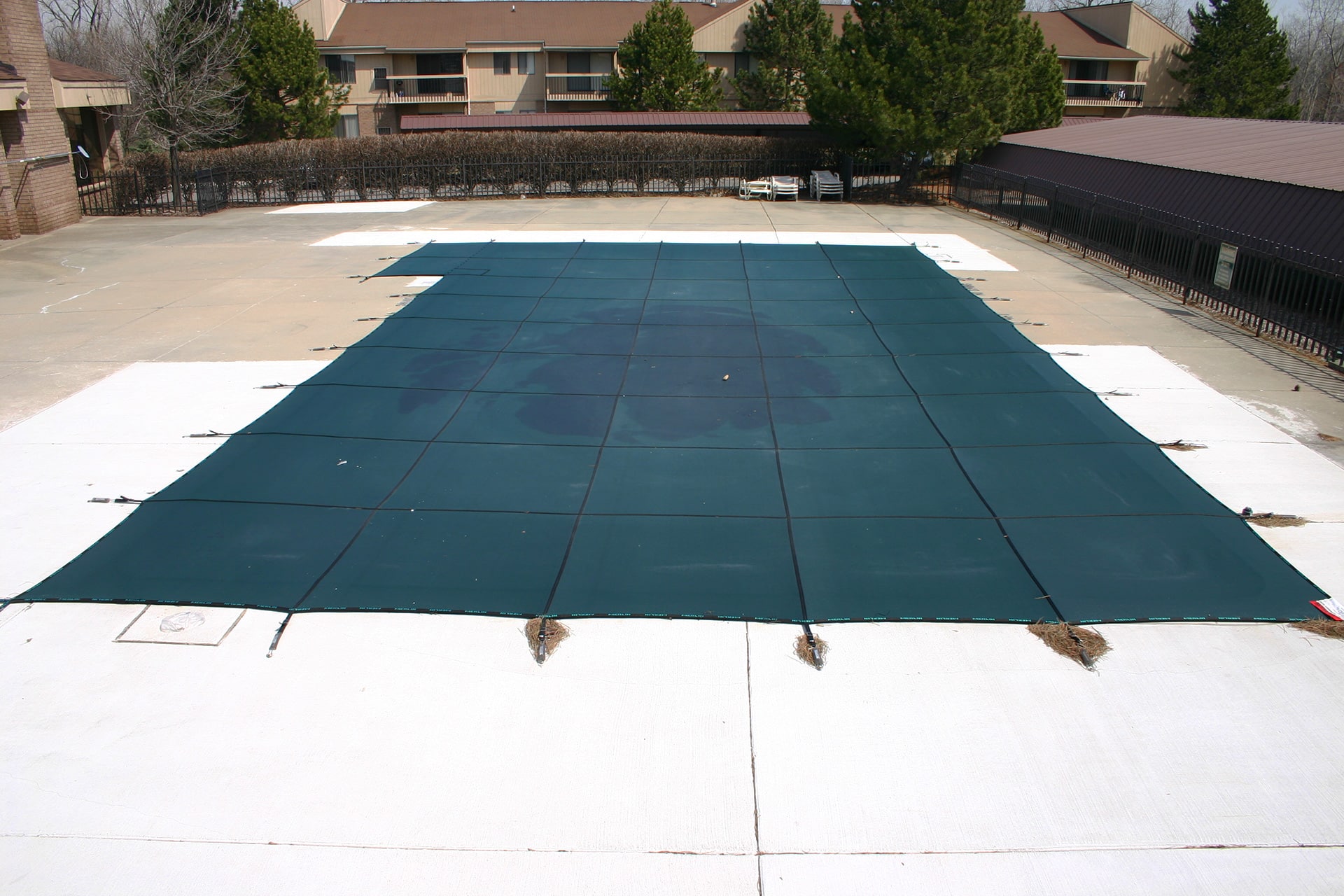
Standing water can stretch the cover and encourage mold or mildew growth, especially on solid covers. Use a pool cover pump to remove excess water promptly after rain or snow. Keeping water and debris off the surface helps maintain the cover’s shape, reduces strain on seams, and improves overall performance.

Inspect the Cover Regularly

Routine inspections help catch small problems before they become costly repairs. Look for fraying, tears, worn straps, damaged anchors, or loose stitching. Addressing these issues early can prevent further deterioration and ensure your cover remains secure and effective throughout the season.

Protect the Cover from Sharp Objects

Sharp edges, toys, furniture, and even pets can damage a pool cover if they come into contact with it. Keep the pool area clear of items that could puncture or tear the material. If pets have access to the pool area, consider additional fencing or supervision to avoid accidental damage.

Use Proper Anchors and Hardware

Anchors, springs, and straps play a critical role in how well your pool cover functions. Make sure all hardware is properly installed, tightened, and free of rust or corrosion. Lubricating moving parts when recommended can prevent stiffness and reduce wear during installation and removal.

Store the Pool Cover Correctly When Not in Use

Proper storage is essential when your pool cover is removed for the season. Clean and fully dry the cover before folding it to prevent mold and mildew. Store it in a breathable storage bag and keep it in a cool, dry location away from direct sunlight, pests, or moisture. Never store a damp cover, as this can significantly shorten its lifespan.

Avoid Excessive Chemical Exposure

Pool chemicals can be harsh on cover materials if they come into direct contact. Avoid placing the cover on the pool immediately after adding chemicals, and allow time for proper circulation and dilution. Keeping chemical levels balanced helps protect both the pool and the cover from unnecessary damage.

Adjust for Seasonal Changes

Weather conditions can affect how your pool cover performs. In winter, regularly remove snow and ice buildup to prevent excess weight and stretching. During warmer months, check that the cover remains properly tensioned as temperatures fluctuate. Seasonal adjustments help maintain a secure fit and reduce stress on the material.

Schedule Professional Maintenance When Needed

While regular homeowner maintenance goes a long way, professional inspections or repairs may be necessary for aging or heavily used covers. Professionals can identify structural issues, reinforce weakened areas, and recommend repairs that extend the life of your cover without requiring full replacement.

Know When It’s Time to Replace

Even with excellent care, pool covers don’t last forever. If you notice recurring tears, significant material thinning, or hardware failure that can’t be safely repaired, replacement may be the best option. Investing in a new, high-quality cover ensures continued safety, efficiency, and peace of mind.

Final Thoughts on Pool Cover Care

Maintaining your pool cover doesn’t have to be complicated, but it does require consistency. By keeping it clean, monitoring for damage, storing it correctly, and addressing issues early, you can maximize both longevity and performance. A well-maintained pool cover protects your pool, saves time and money, and ensures you get the most value from your investment year after year.

How to Choose the Right Pool Cover for Your Pool: Types, Benefits, and Considerations

Owning a pool is one of the best ways to enjoy your outdoor space, but it also comes with responsibilities—especially when it comes to maintenance and safety. A pool cover is one of the most valuable investments you can make for your swimming pool. It helps keep debris out, reduces water evaporation, maintains temperature, and enhances safety. However, with so many types of pool covers available, choosing the right one can feel overwhelming. Understanding the different options and their benefits can help you make an informed decision that fits your needs, lifestyle, and budget.

Safety Covers

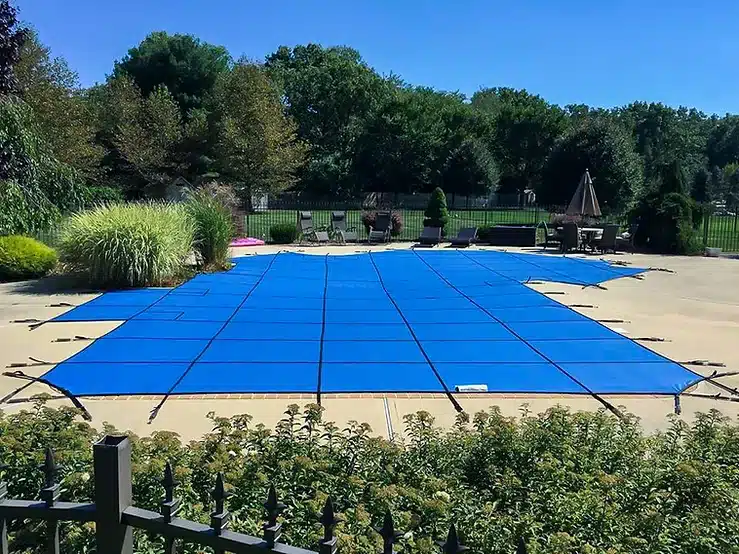
Safety covers are designed primarily to protect your family and pets from accidental falls into the pool. Made from durable mesh or solid vinyl materials, these covers can support significant weight when installed correctly. Mesh safety covers allow water to drain through while keeping debris out, making them ideal for long-term seasonal use. Solid safety covers, on the other hand, block sunlight completely, helping to prevent algae growth. While safety covers typically require professional installation, they offer peace of mind and long-lasting protection, making them one of the most valuable investments for pool owners with children or pets.

Solar Covers

Solar covers—also known as solar blankets—are designed to harness the sun’s energy to warm your pool water naturally. Made from UV-resistant plastic with air bubbles that trap heat, these covers help maintain water temperature and reduce the need for expensive heating systems. They also minimize evaporation, helping conserve water and reduce chemical loss. Solar covers are easy to install and remove, making them a convenient option for homeowners who want energy efficiency and cost savings. However, they are not safety-rated, so they should be used in conjunction with other protective measures if safety is a concern.

Automatic Covers

For those seeking convenience and luxury, automatic covers are the top choice. Operated with the push of a button, these covers glide seamlessly across the pool’s surface, offering instant protection. Automatic covers provide excellent safety, heat retention, and debris prevention. They also reduce evaporation and chemical usage, helping lower ongoing maintenance costs. Though the upfront installation cost is higher than other types, their ease of use and durability make them a worthwhile investment for homeowners who prioritize convenience and security. Automatic covers are best suited for rectangular pools, but customized designs are available for other shapes as well.

Winter Covers

If you live in a region with cold winters, a winter cover is essential for protecting your pool during the off-season. These covers are designed to shield the pool from snow, ice, and debris while preventing algae growth during months of inactivity. Typically made from heavy-duty vinyl or tarp-like materials, winter covers are secured tightly around the pool’s perimeter using water bags or cables. They help maintain water quality, reduce cleanup time in spring, and extend the lifespan of your pool equipment. While not designed for safety, they are cost-effective and reliable for seasonal protection.

Mesh vs. Solid Covers

When choosing between mesh and solid pool covers, it’s important to consider maintenance and performance needs. Mesh covers allow rainwater and melted snow to drain into the pool, reducing the risk of water accumulation on top of the cover. However, they may let small particles and sunlight pass through, which can lead to minor algae growth. Solid covers block sunlight entirely, keeping the pool cleaner but requiring a pump to remove standing water. Both options have advantages, and your choice will depend on your maintenance preferences and regional climate.

Ease of Use and Maintenance

The best pool cover for your home should fit seamlessly into your routine. Manual covers are affordable but require more effort to install and remove, while automatic and reel-assisted covers make the process effortless. Consider how frequently you’ll use the cover—if you plan to uncover your pool daily, convenience and ease of use should be top priorities. Maintenance should also factor into your decision, as some covers require periodic cleaning or pump use to prevent water buildup.

Choosing the right pool cover is about balancing practicality, safety, and comfort. Whether you prioritize energy efficiency, ease of use, or year-round protection, there’s a pool cover that fits your specific needs. Safety covers provide robust protection, solar covers enhance energy savings, automatic covers deliver convenience, and winter covers safeguard your pool during colder months. By selecting a cover that complements your lifestyle and local climate, you’ll not only protect your pool but also make maintenance easier and more cost-effective for years to come.

Best Pool Safety Products to Protect Your Pool During the Off-Season

When the swimming season ends, it’s crucial to protect your pool during the off-season to prevent accidents and damage. Proper safety measures ensure that your pool remains secure and well-maintained, reducing costly repairs and keeping everyone safe. Here are some of the best pool safety products to consider as you prepare for colder months.

Pool Covers

A high-quality pool cover is essential for protecting your pool during the off-season. It keeps debris, leaves, and dirt out, reducing cleaning time and preventing damage to your pool’s surface. Safety covers, which are sturdy enough to support weight, also prevent accidental falls into the water.

Pool Alarms

Installing a pool alarm adds an extra layer of security by alerting you if someone or something enters the pool area unexpectedly. These devices can be attached to pool gates or float on the water’s surface to detect movement, helping to prevent accidental drownings.

Safety Fencing and Gates

Physical barriers like fencing with self-closing and self-latching gates are vital in restricting unauthorized access, especially for children and pets. Durable pool fences meet local safety codes and serve as a visual and physical deterrent.

Drain Covers and Anti-Entrapment Devices

To avoid accidents related to suction, using drain covers and anti-entrapment devices is important. These products reduce the risk of entrapment and comply with safety regulations.

Securing your pool during the off-season is about more than just maintenance—it’s about safety and long-term protection. From durable safety covers and reliable pool alarms to fencing, gates, and anti-entrapment devices, the right products safeguard your pool and prevent accidents year-round. By investing in these essential safety measures, you’ll reduce risks, avoid costly repairs, and ensure peace of mind until swimming season returns. Protecting your pool now means you’ll be ready to enjoy it safely and stress-free when warmer weather arrives.

Why Installing a Pool Safety Cover for Fall is a Smart Decision

As the swimming season winds down and cooler temperatures roll in, it’s the perfect time to think about protecting your pool. Installing a pool safety cover in the fall offers multiple benefits—beyond just peace of mind. Here’s why it’s a smart move for homeowners.

Enhanced Safety for Families and Pets

A safety cover provides a solid barrier over your pool, reducing the risk of accidental falls. Whether you have young children, pets, or frequent guests, a properly secured cover can prevent serious accidents during the off-season.

Minimized Debris and Cleaning

Fall means falling leaves, twigs, and other yard debris. Without a safety cover, your pool can quickly become a mess that’s time-consuming to clean. A sturdy cover blocks out most debris, making spring cleanup easier and protecting your pool equipment from unnecessary wear.

Protects Pool Investment

A pool is a major investment, and a quality safety cover helps extend its life. Covers shield pool surfaces from UV damage, harsh weather, and contamination. This extra layer of protection helps reduce long-term maintenance costs and preserves water quality.

Energy and Chemical Savings

Covering your pool during the off-season helps reduce water evaporation and chemical loss. This means you’ll spend less on refilling and rebalancing your pool in the spring, helping both your wallet and the environment.

A pool safety cover does more than keep out leaves—it secures your backyard, protects your pool from damage, and saves you time and money when spring returns. For families with kids or pets, and for homeowners who value a clean, efficient pool setup, installing a safety cover in the fall is a smart and responsible investment that pays off all year long.