
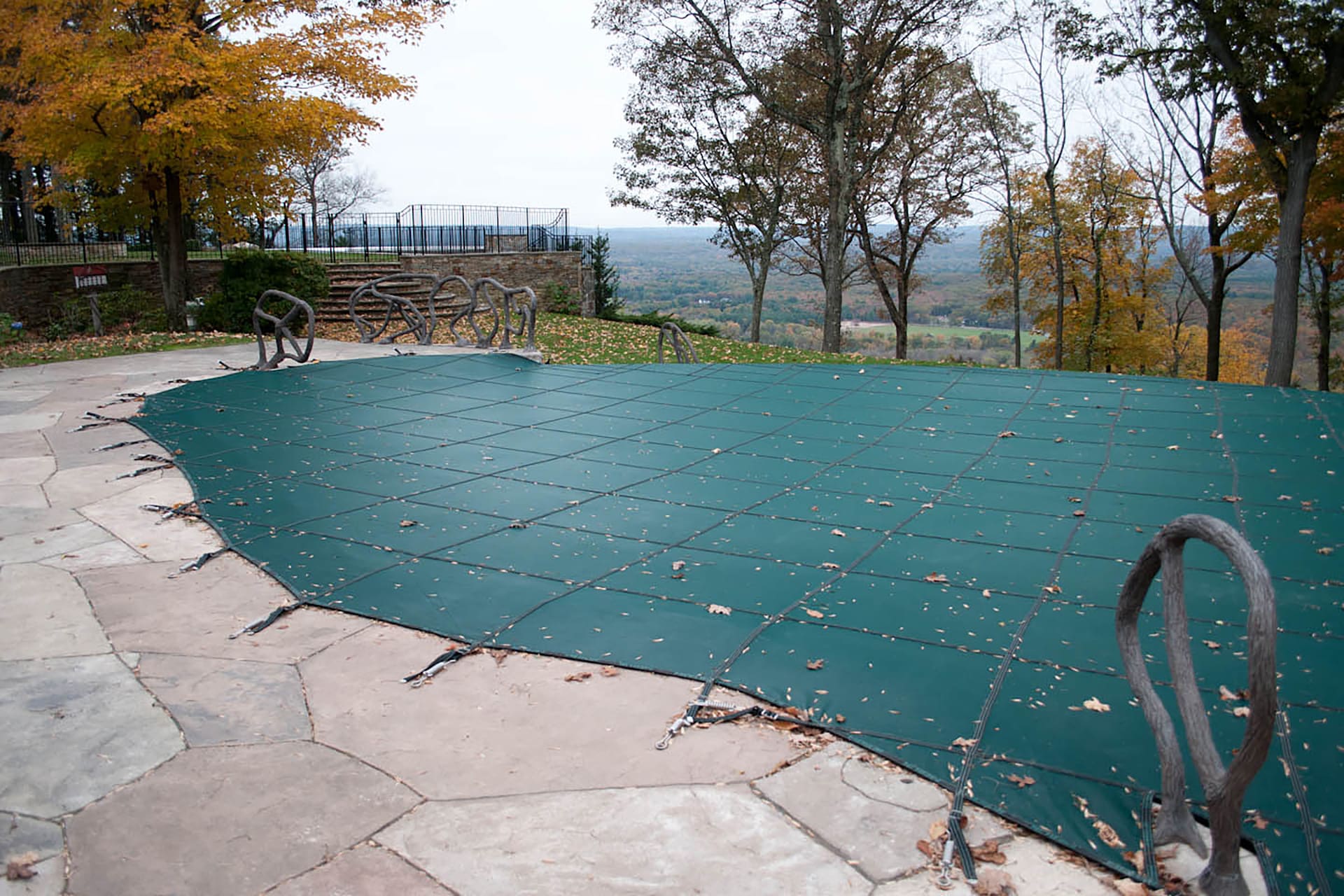
A pool cover is more than a simple accessory. It helps protect your pool from leaves, dirt, evaporation, heat loss, sunlight, and seasonal weather changes. Choosing the right pool cover material can make a big difference in how long the cover lasts, how well it performs, and how much maintenance your pool needs throughout the year.
The material of your pool cover affects durability, safety, insulation, weather resistance, and ease of use. Some materials are designed mainly to retain heat, while others are built to block debris, support weight, or protect the pool during harsh winter conditions. Before choosing a cover, think about your climate, pool shape, budget, safety needs, and how often you plan to use the cover.
Mesh pool covers are popular because they are lightweight, easy to handle, and effective at keeping leaves and larger debris out of the water. Rain and melted snow can drain through the mesh, which helps prevent heavy water buildup on top of the cover. While mesh covers offer strong weather resistance and lower maintenance, they may allow fine dirt and sunlight through, which can affect water clarity and algae growth.
Solid vinyl pool covers provide stronger protection against sunlight, debris, and contaminants because they create a full barrier over the water. This can help keep the pool cleaner and reduce algae growth during periods when the pool is not in use. However, solid covers often need a pump or drainage system to remove standing water after rain or snow.
Reinforced vinyl pool covers are designed for added strength and longer life. They often include internal scrim or layered construction that helps resist tearing, stretching, and weather-related wear. This makes them a good choice for homeowners who want stronger protection than basic vinyl without moving to a more complex automatic cover system.
Automatic pool covers are usually made from durable vinyl fabric and operate with a motorized track system. They offer convenience because they can be opened or closed quickly, making it easier to cover the pool every day. Since regular use helps reduce evaporation, heat loss, and debris, automatic covers can be a strong choice for homeowners who want durability, weather protection, and ease of operation.
Solar pool covers, also called solar blankets, are made from lightweight plastic material designed to capture heat from the sun and reduce evaporation. They can help keep water warmer and lower energy use when paired with a pool heater. While they are useful for heat retention, they are generally not the most durable option for heavy debris, strong storms, winter weather, or safety protection.
Polyethylene pool covers are often used for seasonal or winter pool protection. They are usually affordable, water-resistant, and available in different thicknesses and strengths. Thicker polyethylene covers can provide better durability, but they may not last as long as premium vinyl or reinforced safety covers in harsh weather.
Polypropylene is another material used in some pool covers because it is lightweight, resistant to moisture, and able to handle outdoor exposure. It can be used in woven or layered cover designs depending on the product. For homeowners looking for a practical and weather-resistant option, polypropylene may offer a good balance of strength and manageable weight.
Safety pool covers are designed to help prevent accidental entry into the pool when properly installed and secured. These covers are commonly made from strong mesh or solid materials with reinforced straps, anchors, and hardware. If safety is a top priority, choose a cover that is specifically rated and installed for that purpose rather than assuming any durable cover will provide the same protection.
If your pool is exposed to intense sun, heat, and UV rays, material choice becomes especially important. UV-resistant vinyl, reinforced fabrics, and high-quality mesh can hold up better against fading, brittleness, and breakdown from sun exposure. In hot climates, a cover that also reduces evaporation can help save water and keep pool care more efficient.
In colder climates, pool covers need to handle snow, ice, freezing rain, and heavy debris. Strong mesh or reinforced solid covers are often better suited for winter protection because they are built to handle seasonal stress. A properly fitted cover with secure anchors is important because wind and weight can damage both the cover and pool if the system is not installed correctly.
The cheapest pool cover may not be the most cost-effective if it wears out quickly or fails during bad weather. A more durable material can offer better protection, fewer replacements, lower maintenance, and better performance over time. When comparing options, consider material thickness, reinforcement, UV resistance, warranty, hardware quality, and whether the cover is designed for your pool type.
Choosing the best pool cover material for durability and weather resistance depends on how you use your pool and what conditions the cover needs to handle. Mesh covers are easy to manage and drain well, solid vinyl blocks more debris and sunlight, reinforced covers add strength, and automatic covers offer everyday convenience. By matching the material to your climate, safety needs, maintenance goals, and budget, you can protect your pool more effectively and get more value from your cover year after year.
Over 1000 dealers nation-wide ready to help you.
Search Location